

Natan Abramov
| 10 min read
What does a good first trip to Japan look like?
A good first trip to Japan is 10 to 14 days on the "Golden Route": Tokyo, a night in Hakone or at Mount Fuji, Kyoto with a day in Nara, Osaka, and Hiroshima with Miyajima. Fly into Tokyo and out of Osaka's Kansai airport, and every leg runs one way on the bullet train with no backtracking.
The two decisions that shape the trip are the season and the handful of attractions that sell out weeks ahead. Both are below, with the official link for everything.
Where to go, and for how long
Each place name links to its official tourism site.
| Place | Days | Why go |
|---|---|---|
| Tokyo | 4 | Neighbourhoods that each feel like a different city: Asakusa, Shibuya, Shinjuku, Yanaka |
| Hakone or Fuji Five Lakes | 1 to 2 | A night in a ryokan with an onsen, and the best odds of seeing Mount Fuji |
| Kyoto | 3 | Temples, shrines and old streets. Go early: by 9 am the famous ones are full |
| Nara | Day trip | The giant Buddha at Todaiji and the deer park |
| Osaka | 2 | Street food in Dotonbori, and Universal Studios if that is your thing |
| Hiroshima and Miyajima | 1 to 2 | The Peace Memorial Museum, then the floating torii gate |
With 10 days, cut Hiroshima. With 7, do Tokyo and Kyoto only, with Nara as a day trip.
How long are the train rides?
| Leg | Fastest train | Time |
|---|---|---|
| Shinjuku to Hakone-Yumoto | Odakyu Romancecar | About 80 minutes |
| Shinjuku to Kawaguchiko (Fuji) | Fuji Excursion | About 1 hour 50 |
| Tokyo to Kyoto | Nozomi bullet train | 2 hours 15 |
| Kyoto to Nara | Kintetsu limited express | About 35 minutes |
| Kyoto to Osaka | Bullet train, or JR special rapid | 14 or 29 minutes |
| Shin-Osaka to Hiroshima | Nozomi bullet train | About 1 hour 25 |
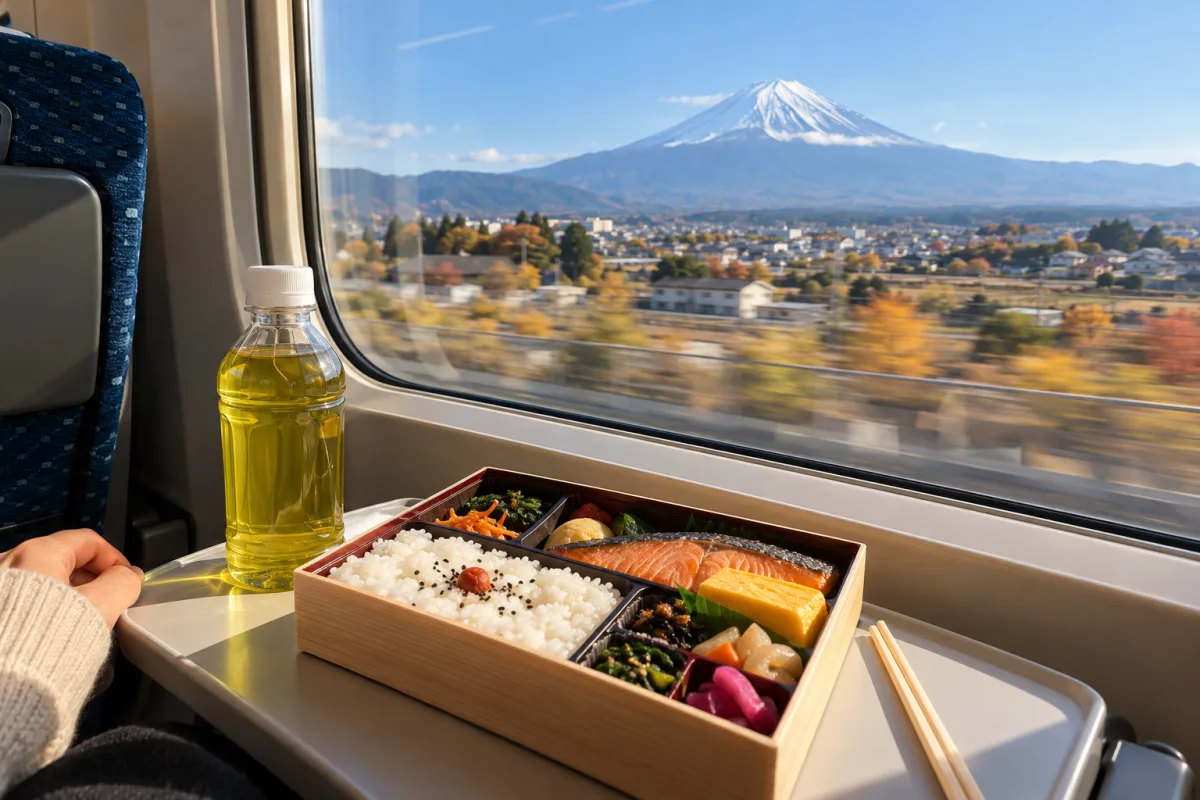
Heading west from Tokyo, book a window seat E (D in the Green Car) and Mount Fuji passes on your side about 40 to 45 minutes out, if the sky is clear. Pick up an ekiben, a station lunch box, before you board: eating on the bullet train is normal, unlike on city trains.
The 7-day Japan Rail Pass costs ¥50,000 on the official site and ¥53,000 through agents. A Tokyo to Kyoto round trip in single tickets is about ¥28,000, so the pass only pays off if you go as far as Hiroshima and back with side trips on top. It also no longer covers the fastest Nozomi trains on its own: pass holders buy a Nozomi ticket on top, ¥4,960 from Tokyo to Kyoto. For most first trips, single tickets on SmartEX come out cheaper.
Suitcases with a total length, width and height of 161 to 250 cm need a seat with an oversized baggage area, booked with your ticket at no extra cost. Turn up without one and you pay ¥1,000 on board. The easier option is to send the case ahead with a luggage forwarding service such as Yamato: about ¥2,500 to ¥3,000 a case, and it arrives the next day.
When is the best time to visit Japan?
Late October to early December is the best balance: mild weather, autumn colours and fewer crowds than in spring. Cherry blossom season is the most beautiful and the most expensive.
| When | What you get | The catch |
|---|---|---|
| Late March to early April | Cherry blossom. On average it peaks in Tokyo around April 3 and in Kyoto around April 4 | The busiest, priciest weeks of the year. The first 2027 forecast is due in mid-December |
| April 29 to May 5 | Golden Week | Japan's own holiday: trains and hotels fill. Avoid it |
| June to mid-July | Rainy season | Humid and wet, but quieter |
| Mid-July to August | Fireworks and festivals, and the Mount Fuji climbing season | Hot and very humid. Obon, around August 13 to 16, fills the trains |
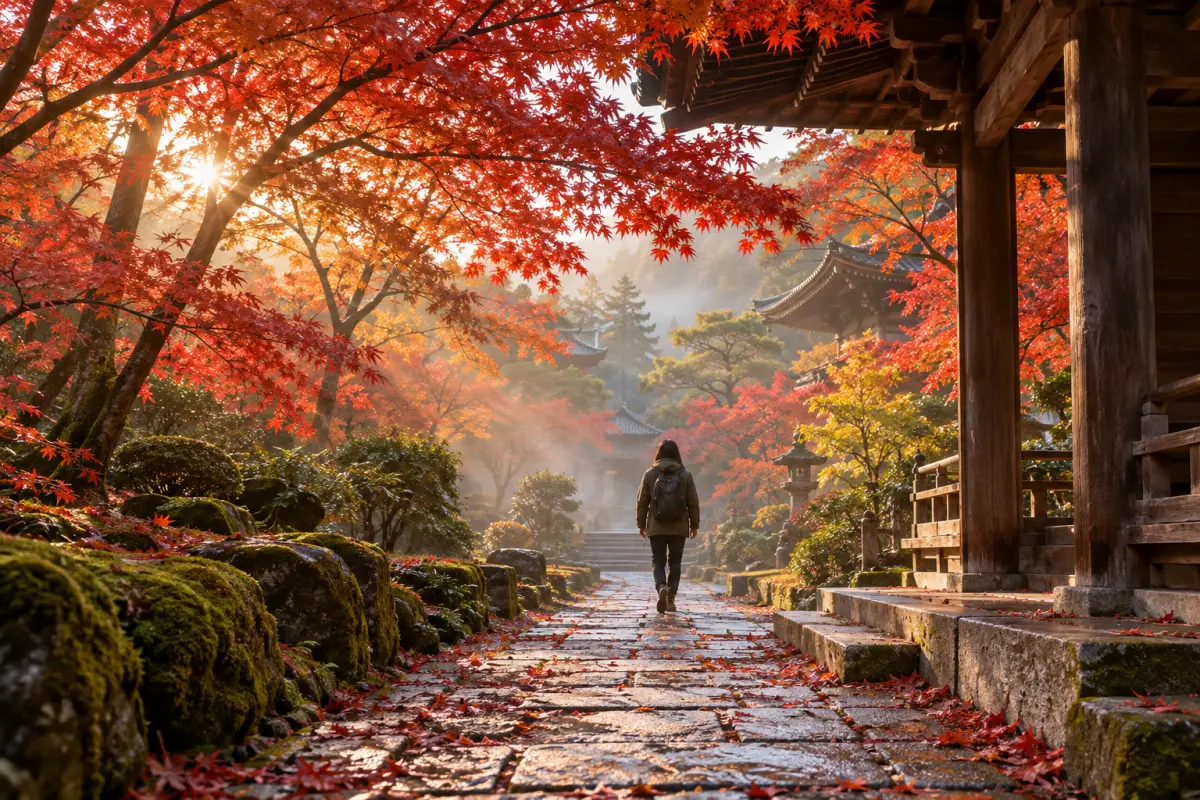
| October to early December | Autumn leaves. The 2026 forecast puts the peak around November 29 in Tokyo and December 11 in Kyoto | Kyoto temples are busy at weekends |
| December 29 to January 3 | New Year | Many museums, shops and sights close |
| January and February | The coldest months, with clear skies for Fuji views | Usually the cheapest time to go, except at ski resorts |
What do you need to book ahead?
Most of Japan needs no booking at all. These do, and they sell out:
| Attraction | When booking opens | Good to know |
|---|---|---|
| Ghibli Museum | 10 am Japan time on the 10th of the month before | Sold only through Lawson Ticket, never at the door. Closed Tuesdays |
| teamLab Planets and Borderless | About two months ahead | From about ¥3,600, priced by date |
| Shibuya Sky | About two weeks ahead | Sunset slots go first. Online is ¥300 cheaper than at the desk |
| Nintendo Museum, Kyoto | A lottery about three months ahead | Needs a free Nintendo Account |
| Katsura Imperial Villa, Kyoto | Three months ahead | Guided tours only, ¥1,000 |
| Universal Studios Japan | Tickets any time | Super Nintendo World needs a timed entry from the park app on the day, or an Express Pass that includes it |
| Mount Fuji, Yoshida Trail | Before the season, July 1 to September 10 | ¥4,000, booked online, with a cap of 4,000 climbers a day |
Things that need no ticket: Fushimi Inari in Kyoto is free and open 24 hours, and the climb is quietest early in the morning. Kinkakuji (¥500) and the Hiroshima Peace Memorial Museum (¥200) are pay at the door.
What are fun, unusual things to do in Japan?
The temples and the crossing are on every list. These are the stranger things travellers on the Japan-guide forum and in Tokyo guides keep coming back to, all on or a short hop off the route above.
| What | Where | Good to know |
|---|---|---|
| Watch sumo morning practice through a window at Arashio stable | Tokyo, Hamacho | Free, about 7:30 to 9 am, from the pavement. Check the stable's calendar: there is no practice while wrestlers tour or fight away, which covers mid-October to late November in 2026 |
| See an 8.8 m tapeworm at the Meguro Parasitological Museum | Tokyo, Meguro | The world's only parasite museum. Free, closed Monday and Tuesday, and the gift shop sells parasite T-shirts |
| Make your own plastic food at Ganso Shokuhin Sample-ya | Tokyo, Kappabashi | The tempura and lettuce samples from restaurant windows, made by you. ¥3,300, about 40 minutes, book online |
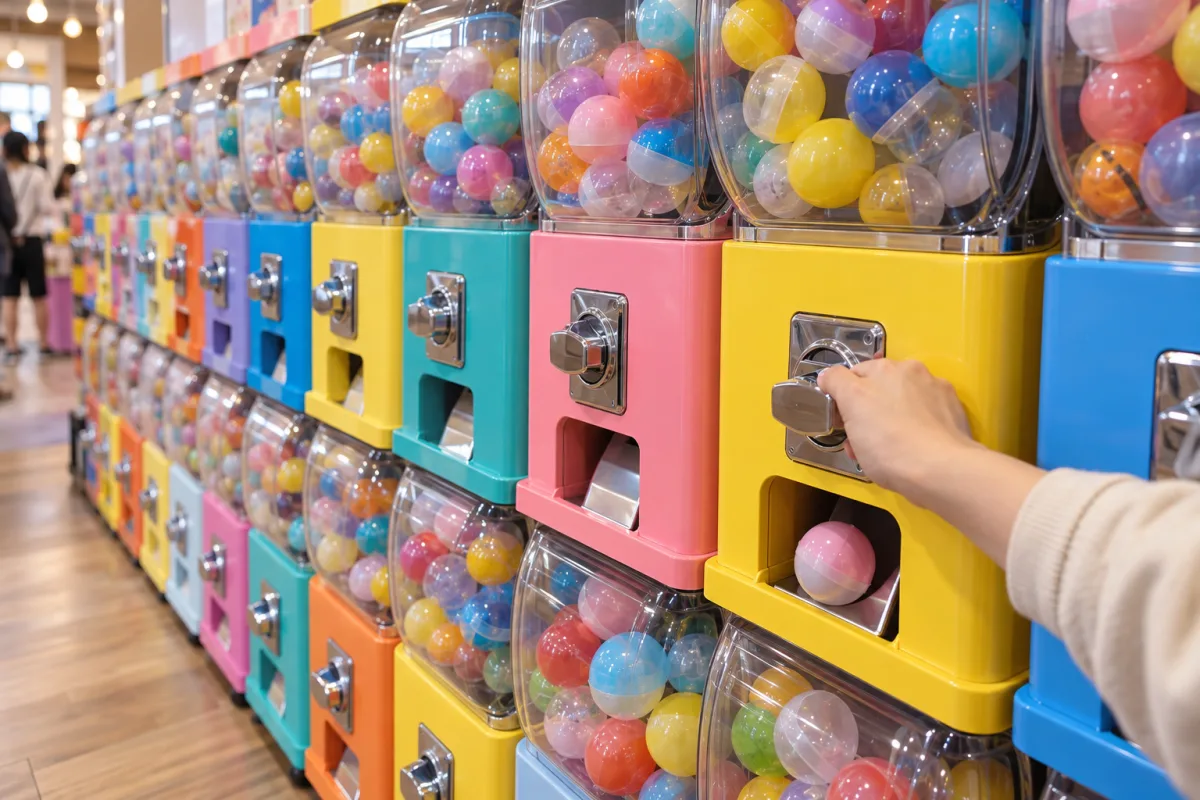
| Lose an hour at the Gashapon Department Store | Tokyo, Ikebukuro | Over 3,000 capsule-toy machines, ¥200 to ¥500 a turn. Bring coins |
| Bar-hop Golden Gai | Tokyo, Shinjuku | About 280 bars with 5 to 10 seats each, most opening around 8 pm. Cover charges run ¥500 to ¥1,500 in cash. The alleys are private, so ask before photographing |
| Eat a black egg at Owakudani | Hakone | Boiled in a volcanic vent until the shell turns black, and said to add seven years to your life. 4 for ¥500 |
| Find the stone figure holding a tennis racket at Otagi Nenbutsu-ji | Kyoto, Arashiyama | 1,200 mossy statues carved by amateurs in the 1980s, each with its own face. ¥1,000, closed Wednesday and Saturday |
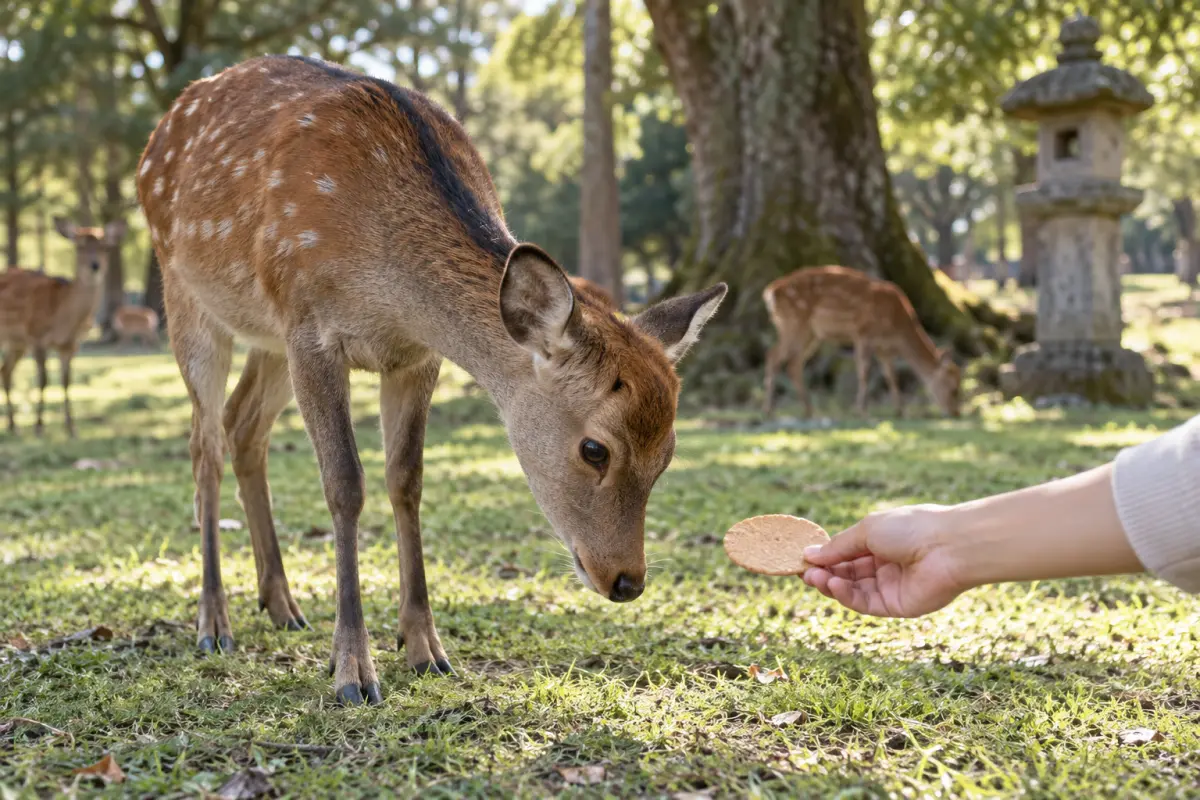
| Bow to a deer, then squeeze through the Buddha's nostril at Todaiji | Nara | Bow holding a deer cracker (about ¥200) and the deer bow back. Inside the Great Buddha Hall, a pillar has a hole the size of the Buddha's nostril; crawling through is said to bring enlightenment |
| Sleep in a temple at Koyasan, at Ekoin or another shukubo | About 2 hours from Osaka | Vegetarian monks' food, a 7:30 am fire ritual, and a night walk through a forest cemetery of 200,000 graves |
| Get mobbed by rabbits on Okunoshima | About 2 hours from Hiroshima | An island of tame wild rabbits, and a former poison gas factory. Buy rabbit food before the ferry: none is sold on the island |
Free everywhere: most stations have a rubber stamp of a local landmark by the gates. Carry a small notebook and you go home with a stamp diary of the trip.
Skip these The Robot Restaurant in Shinjuku closed for good in 2020, whatever older lists say. Costumed street go-karting is under a licensing crackdown, and many foreign licences are not valid for it. In Nara in autumn, keep crackers out of sight until you hand them over: rutting stags butt.
What changed in 2026?
Rules that changed this year The departure tax rose from ¥1,000 to ¥3,000 on July 1, 2026, and is built into your airfare. From November 1, 2026, tax-free shopping becomes a refund: you pay the full price including the 10% tax, then scan your passport at a customs kiosk at the airport before you check your bags, and the shop refunds you after you leave. Keep the goods in your carry-on, because customs may ask to see them.
Things to know before you go
- Entry: US, UK, EU, Canadian and Australian passports get 90 days visa-free. Fill in Visit Japan Web before you fly and you clear immigration and customs with a QR code.
- Arriving: Haneda is 15 minutes from central Tokyo by monorail or Keikyu. From Narita, the Keisei Skyliner takes 41 minutes to Ueno and the Narita Express about 55 minutes to Tokyo Station.
- Transit cards: Physical Suica and PASMO cards are on sale again, and on an iPhone you can set up Welcome Suica Mobile before you land. There is no Android version yet. In Tokyo, the subway also accepts a tap of a contactless bank card, but JR lines do not.
- Cash: Cards work in most shops now, but small restaurants, temples, lockers and rural buses still want cash. 7-Eleven ATMs take foreign cards day and night. When the machine asks, choose to be charged in yen.
- Manners that matter: Do not tip. Carry your rubbish, because public bins are rare. Stand on the left of escalators in Tokyo and on the right in Osaka and Kyoto. In Kyoto's Gion, stay off the private lanes, where signs warn of a ¥10,000 fine.
- Onsen and tattoos: Rules are set by each bath. If you have tattoos, a private bath (kashikiri) avoids the question.
- Plugs: Type A, 100 volts, the same plug as the US. UK and EU travellers need an adapter.
How do you stay connected in Japan?
Free Wi-Fi in Japan is patchy and often asks you to log in, and Google Maps, train apps and the translation camera are what you will lean on all day. Install a Japan eSIM at home before you fly, with the iPhone install guide or the Android one, and it connects when you land. If you are travelling as a family or group, a pocket Wi-Fi router is the other option, and our eSIM vs pocket WiFi comparison covers when each one wins.
Maps, trains, messages and photo uploads come to about 1 GB a day for most people, so 10 GB covers a week with some margin.
Frequently asked questions
How many days do you need in Japan?
Ten to 14 days covers Tokyo, Kyoto, Nara, Osaka and Hiroshima without rushing. With a week, stay in Tokyo and Kyoto and take Nara as a day trip.
Is the Japan Rail Pass worth it in 2026?
Usually not for a first trip on the Golden Route. A 7-day pass costs ¥50,000, and Tokyo to Kyoto and back in single tickets is about ¥28,000. It pays off only if you travel as far as Hiroshima or beyond and back within the week.
Should you fly into Tokyo or Osaka?
Fly into Tokyo and out of Osaka's Kansai airport, or the reverse. An open-jaw ticket saves the 2 hour 15 minute bullet train ride back to your starting point. Price it against a return before you book.
Is Japan cash or card in 2026?
Mostly card in cities: 58% of consumer spending was cashless in 2025. Carry ¥10,000 to ¥20,000 in cash for small restaurants, temple entry, lockers and rural buses.
Can you use Suica on an Android phone?
Not on a phone bought outside Japan, for now. JR East plans a Welcome Suica Mobile app for Samsung Galaxy phones in the first half of 2027. Until then, buy a physical Suica or PASMO card at the station.
Do you need to speak Japanese?
No. Station signs, train announcements and most city menus are in English, and a translation app with a camera mode handles the rest.